THE ORIGINS OF THE NEW PATRIOTIC PARTY: THE HISTORY, IDEALS AND FORMATION OF THE NPP

By Mackenzie Blankson
Official NPP News & Communications Contributor
From Ghana’s political heritage to the establishment of a major political party in the Fourth Republic, discover the history behind the New Patriotic Party.
The history of the New Patriotic Party (NPP) is closely connected to Ghana’s struggle for constitutional democracy, political freedom and multiparty governance. Although the Party was formally established in 1992, its political roots can be traced to earlier generations of political movements and leaders who shaped Ghana’s political development.
Today, the NPP stands as one of Ghana’s major political parties, with a history shaped by its founding principles, organisational development and participation in the country’s Fourth Republic.
The Historical Roots: The Danquah-Busia-Dombo Tradition
To understand the origins of the NPP, it is important to examine the political tradition from which it emerged.
The Party traces its historical roots to the United Gold Coast Convention (UGCC), established in 1947, and the political movements associated with prominent Ghanaian figures such as Dr Joseph Boakye Danquah, Dr Kofi Abrefa Busia and Chief Simon Diedong Dombo.
These leaders were associated with the development of a political tradition that emphasised individual freedom, constitutional government, the rule of law and democratic participation.
Following Ghana’s independence in 1957, opposition political groups came together under the United Party (UP), which became an important part of this political heritage.
In the years that followed, the Progress Party, led by Dr Kofi Abrefa Busia, also became a significant expression of the tradition. The Progress Party won the 1969 general election and formed Ghana’s government until the military coup of January 1972 brought its administration to an end.
Although military interventions interrupted constitutional politics over subsequent years, the ideas and political networks associated with this tradition continued to influence Ghanaian political life.
The Road to Formation in 1992
The immediate circumstances surrounding the formation of the NPP emerged during the final years of the Provisional National Defence Council (PNDC) administration.
As Ghana moved towards a return to multiparty constitutional democracy, political groups and associations began organising in anticipation of the restoration of party politics.
The lifting of the ban on political party activities in May 1992 created the opportunity for these groups to formally organise and participate in the country’s transition to constitutional rule.
Individuals associated with the Danquah-Busia political tradition, including former members and supporters of earlier political movements, began mobilising towards the establishment of a new political party.
The New Patriotic Party emerged from these efforts in 1992. Historical accounts identify May 22, 1992, as the date of its launch, while the Party’s formal registration and legal recognition followed in June and July of that year.
The formation of the NPP therefore represented the reorganisation of an established political tradition into a party prepared to participate in Ghana’s new democratic dispensation.
Professor Albert Adu Boahen and the Early Leadership
One of the most prominent figures associated with the formation of the NPP was Professor Albert Adu Boahen, a respected historian and academic at the University of Ghana.
Professor Adu Boahen became the Party’s first presidential candidate for the 1992 general election.
His involvement gave the emerging party a prominent public figure around whom its early political organisation could develop. The Party also relied on the contributions of several political organisers, professionals and supporters who helped establish its structures across the country.
The NPP entered the 1992 electoral contest as part of the new multiparty political environment. Although Professor Adu Boahen did not win the presidential election, the Party continued to develop its organisation and prepare for subsequent elections.
The NPP and Ghana’s Fourth Republic
Ghana’s Fourth Republic began on January 7, 1993, following the adoption of the 1992 Constitution and the country’s return to constitutional government.
The NPP became an important participant in the new democratic system, contesting presidential and parliamentary elections and developing its presence across the country.
The Party’s early years involved building constituency and regional structures, organising its membership and participating in parliamentary opposition.
In the 1996 general election, the NPP contested under the leadership of its presidential candidate, John Agyekum Kufuor. Although the Party did not win that election, it continued to consolidate its national organisation.
The 2000 general election marked a significant point in the Party’s history. John Agyekum Kufuor, as the NPP’s presidential candidate, won the election, and the Party assumed government in January 2001. This marked the first change of governing party through elections under the Fourth Republic.
The Principles and Identity of the Party
The NPP’s political identity is associated with the Danquah-Busia-Dombo tradition and the principles of constitutional democracy, individual liberty, the rule of law and freedom of association.
The Party’s motto is “Development in Freedom.”
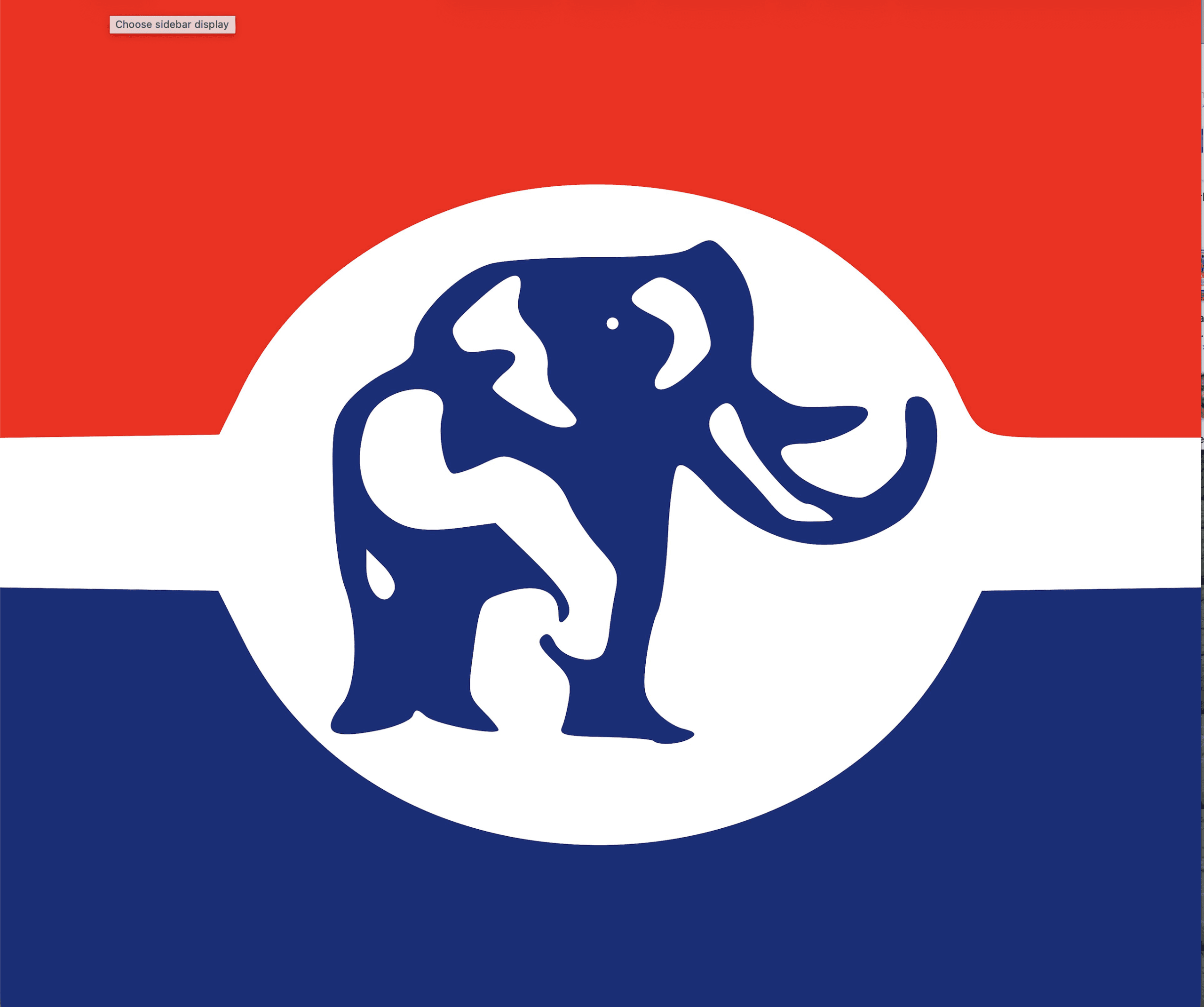
Its colours are red, white and blue, while the African elephant serves as its emblem.
These symbols and principles form part of the Party’s identity and are reflected in its organisational and constitutional framework.
The NPP’s political philosophy and stated objectives have continued to shape its participation in Ghana’s democratic process.
A Political Heritage That Continues
From its historical roots in Ghana’s early political movements to its formal establishment in 1992, the New Patriotic Party has developed through decades of political organisation, electoral participation and leadership.
Its journey reflects an important part of Ghana’s Fourth Republic and the country’s wider experience with multiparty democracy.
Understanding the origins of the NPP provides members, supporters, students and the general public with an opportunity to appreciate the historical developments, personalities and political ideas that contributed to the Party’s establishment.
As the Party continues to evolve, its history remains an important part of its institutional identity.
NPP Weekly – Our History. Our Party. Our Future.
#NPPWeekly #NPPHistory #DanquahBusiaDomboTradition #DevelopmentInFreedom #WeAreNPP

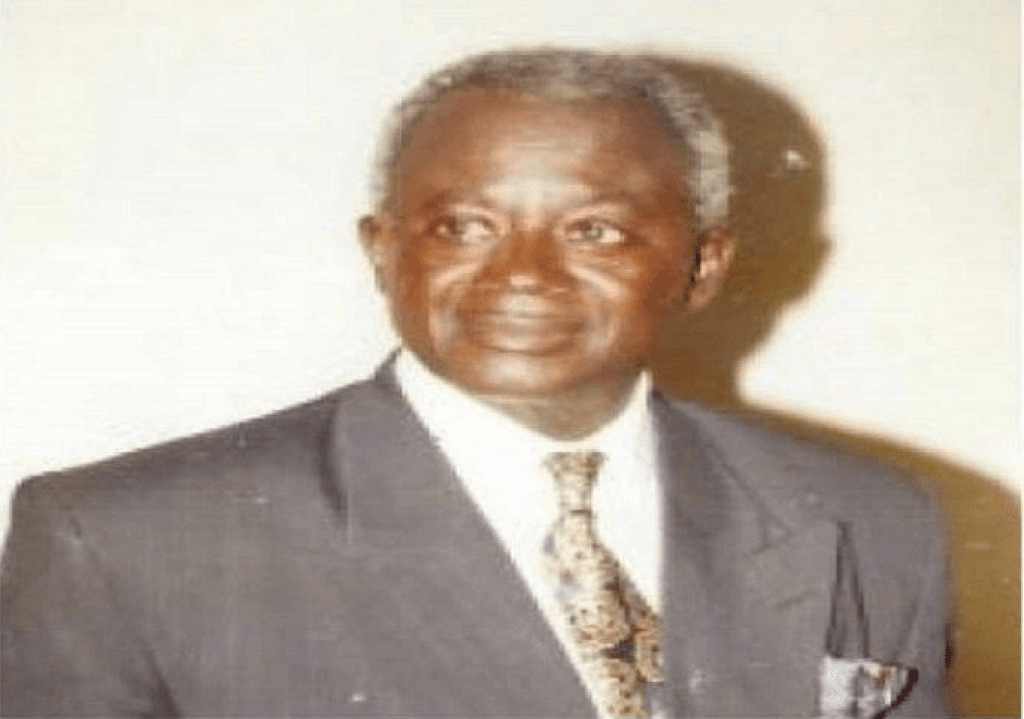
Professor Albert Adu Boahen
The NPP’s first presidential candidate in 1992.

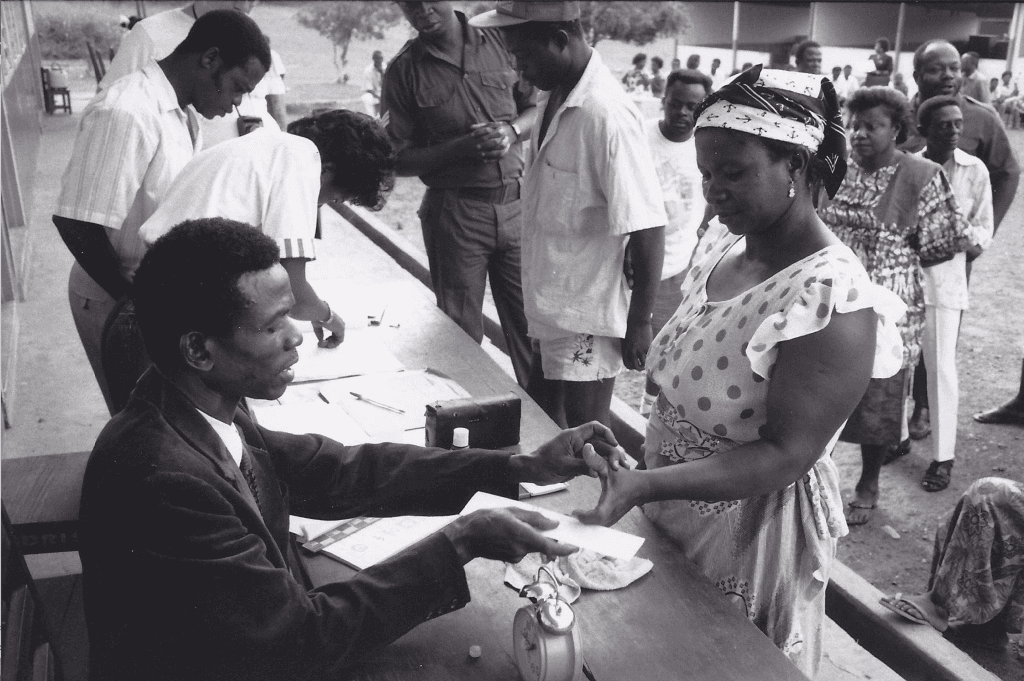
The 1992 elections
Ghana’s return to multiparty electoral politics.

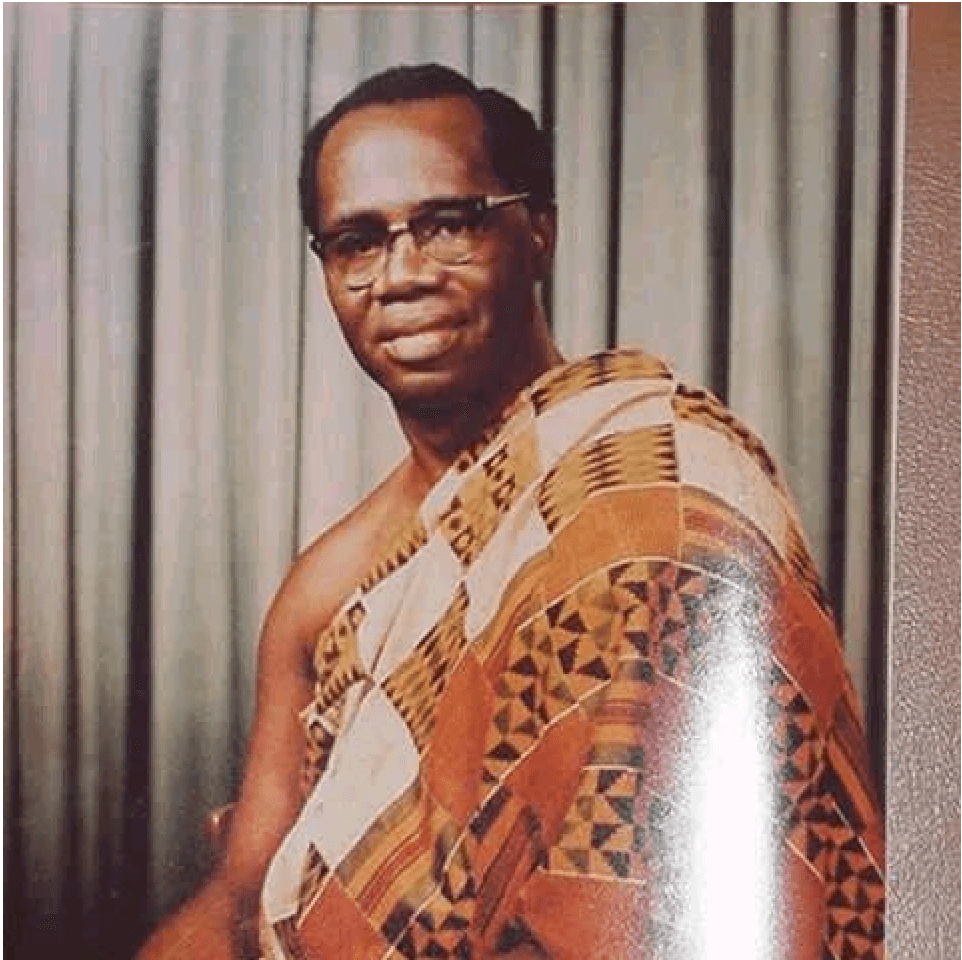
Dr Kofi Abrefa Busia
A prominent figure in the political tradition associated with the NPP.
Listen to the Analysis
The Future Infrastructure Podcast: Episode 42
Sustainable Resilience
Beyond connectivity, the plan emphasizes ecological stewardship. By integrating smart-grid technology with regional solar arrays, the goal is to achieve energy independence while reducing the national carbon footprint by 30% over the next decade. The ripple effect on the manufacturing sector is expected to be profound, as lowered energy costs attract high-tech production.
format_quote“True progress is measured not by the height of our buildings, but by the breadth of the opportunities we create for every citizen.”
— President J.A. Kufuor (2004)
