UNDERSTANDING THE NPP CONSTITUTION: WHAT EVERY MEMBER SHOULD KNOW

By Mackenzie Blankson
Official NPP News & Communications Contributor


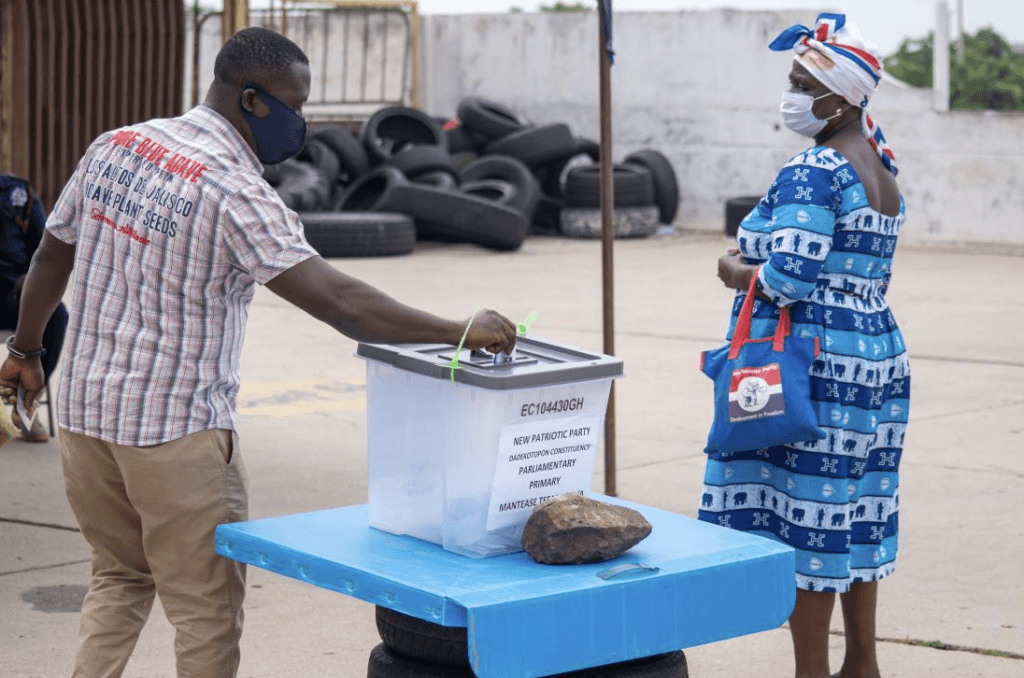
A guide to the Party’s guiding principles, membership rights, responsibilities and internal democratic processes.
Every organised political party requires rules and principles to guide its activities, regulate its structures and define the responsibilities of its members. For the New Patriotic Party (NPP), these provisions are contained in its Constitution.
The NPP Constitution serves as the Party’s governing document. It establishes the framework for membership, leadership, internal elections, discipline, decision-making and the general administration of the Party.
For every member, understanding the Constitution is important because participation in the Party comes with both rights and responsibilities.
What Is the NPP Constitution?
The NPP Constitution provides the rules under which the Party operates. It outlines the Party’s identity, aims and objectives, organisational structures and procedures for managing its internal affairs.
The Constitution also provides a framework for resolving disagreements, addressing misconduct and conducting internal elections.
The Party adopted an amended Constitution at its National Delegates Conference in July 2025, following a review process that included consultations across the country’s 16 regions. The amendments addressed areas including internal democracy, communication, party organisation and the participation of former party officeholders.
The Party’s Identity and Objectives
Under its Constitution, the official name of the organisation is the New Patriotic Party.
Its motto is “Development in Freedom,” its symbol is the African elephant, and its colours are red, white and blue.
The Constitution outlines objectives that include promoting national unity, protecting human rights and the rule of law, encouraging democratic governance, supporting economic development and ensuring equal opportunities for citizens.
These objectives provide the foundation for the Party’s organisational identity and political activities.
Who Can Become an NPP Member?
Membership of the Party is open to Ghanaian citizens of voting age, without discrimination based on ethnicity, religion, gender, occupation, place of origin or social status.
A person who wishes to join the Party is required to declare their intention to become a member and agree to abide by the Constitution.
Registration may take place at a polling station in a parliamentary constituency where the individual resides or hails from, or through an external branch.
Members are also expected to fulfil their financial obligations by paying dues in accordance with amounts and procedures determined by the Party.
Rights of Every Party Member
The Constitution recognises important rights that allow members to participate in the affairs of the Party.
These include:
- Participation: Members have the right to participate in Party activities, subject to the applicable rules and regulations.
- The right to be heard: A member whose conduct or activities are under consideration by the Party has the right to be heard.
- The right to contest: Members may contest for positions and offices within the Party in accordance with the relevant electoral rules and requirements.
These provisions establish a framework for participation and representation within the Party.
Responsibilities of Every NPP Member
Membership also comes with obligations. The Constitution requires members to promote and defend the good name of the Party, protect its unity, demonstrate loyalty and uphold its decisions.
Members are further expected to:
- Carry out assigned responsibilities honestly and faithfully.
- Participate actively in Party activities.
- Support effective and accountable local Party structures.
- Pay their membership dues and other approved contributions.
- Register as voters when eligible under Ghana’s electoral laws.
The Constitution also provides procedures for addressing grievances and disciplinary matters, ensuring that disputes are handled through established Party processes.
Why Every Member Should Know the Constitution
The Constitution is not meant only for national officers, constituency executives or individuals seeking leadership positions. It is relevant to every registered member, regardless of their position within the organisation.
A proper understanding of its provisions helps members know their rights, understand their obligations and appreciate the procedures that govern Party activities.
It also provides a reference point when questions arise about internal elections, disciplinary matters, membership and the responsibilities of Party officers.
A Shared Responsibility
The NPP Constitution provides the framework for how the Party is organised and governed. Its effective application depends on members and officers understanding and respecting the rules that guide the organisation.
Whether at the polling station, constituency, regional or national level, every member has a role to play in upholding the Party’s constitutional principles.
Knowing the Constitution is an important part of knowing your Party. Every member should take the time to read, understand and respect the rules that guide the New Patriotic Party.
NPP Weekly – Our History. Our Party. Our Future.
#NPPWeekly #KnowYourParty #NPPConstitution #PartyDemocracy #DevelopmentInFreedom

The Amended Constitution
A photograph from the Party’s constitutional review and launch.

Membership and Participation
Party members participating in organisational activities.
Listen to the Analysis
The Future Infrastructure Podcast: Episode 42
Sustainable Resilience
Beyond connectivity, the plan emphasizes ecological stewardship. By integrating smart-grid technology with regional solar arrays, the goal is to achieve energy independence while reducing the national carbon footprint by 30% over the next decade. The ripple effect on the manufacturing sector is expected to be profound, as lowered energy costs attract high-tech production.
format_quote“True progress is measured not by the height of our buildings, but by the breadth of the opportunities we create for every citizen.”
— President J.A. Kufuor (2004)